The $500 Million U-Turn: Six Key Moments in Harley-Davidson’s Identity Crisis
You spend hundreds of millions trying to be something you are not, only to spend hundreds of millions more trying to be exactly what you have always been. Here is a chronological look at how one of America’s most iconic brands lost its way—and paid a premium to find it again.
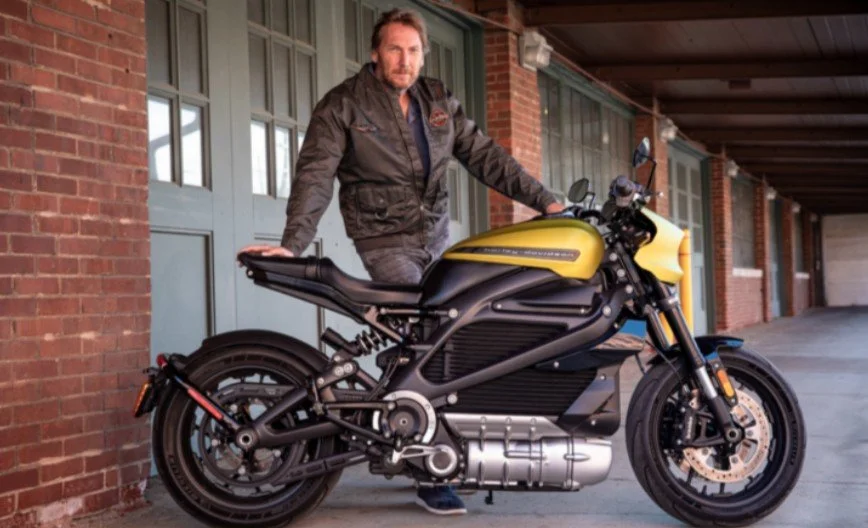
1. The "More Roads" Panic (2018) For decades, Harley-Davidson minted money selling loud, chrome-laden Americana, but an aging demographic sparked boardroom panic. Instead of evolving authentically, leadership launched the "More Roads" strategy, attempting a radical overnight pivot from a heritage cruiser company to a "disruptive mobility tech brand," spearheaded by the whisper-quiet, $30,000 electric LiveWire.
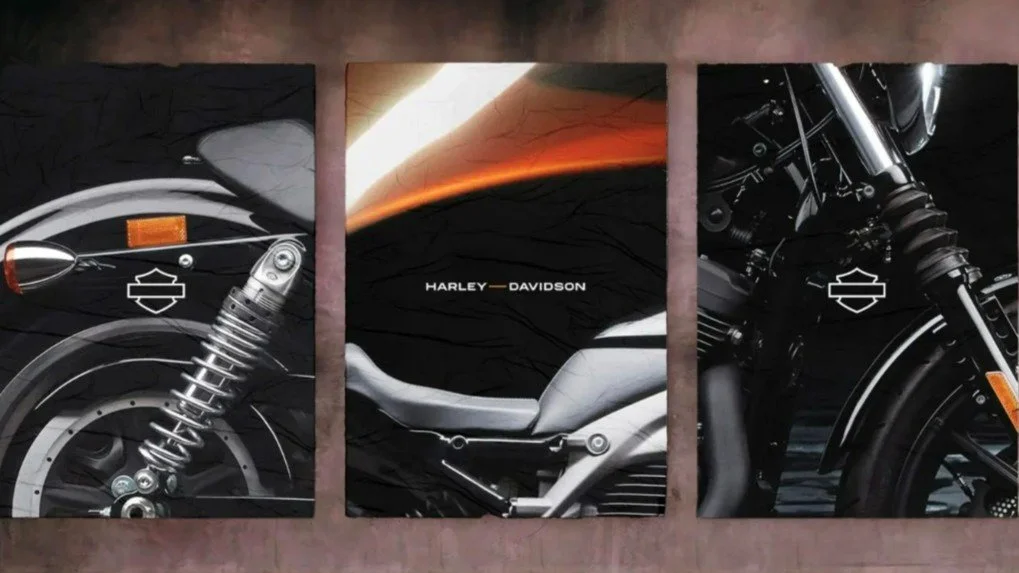
2. The Visual Sanitization (2019–2020) To complement their new tech-adjacent ambitions, Harley-Davidson initiated a visual sanitization of their legendary brand. They began quietly erasing the iconic, heavy orange-and-black Bar and Shield from corporate communications, replacing it with a flattened, wireframe logo that looked less like a biker patch and more like an app icon for a Silicon Valley startup.
3. The Product Alienation (2021–2022) Desperate to court urban hipsters and European weekend-warriors, Harley poured immense R&D capital into segments entirely alien to their base. They launched the towering Pan America adventure bike and killed off the beloved, air-cooled Evolution engine in the Sportster line, signaling to their core riders that classic aesthetics were officially a thing of the past.

4. The Corporate Modernization (2020–2023) As the company tried to modernize its corporate image under CEO Jochen Zeitz, it leaned heavily into modern corporate ESG (Environmental, Social, and Governance) and DEI (Diversity, Equity, and Inclusion) initiatives. In their desperation to align with boardroom trends and appease corporate scorecards, Harley-Davidson prioritized a hypothetical demographic that was never going to buy their motorcycles anyway. The result? In the process of chasing this sanitized new identity, they completely stopped speaking the language of the intensely loyal, traditionalist riders who actually kept the lights on.
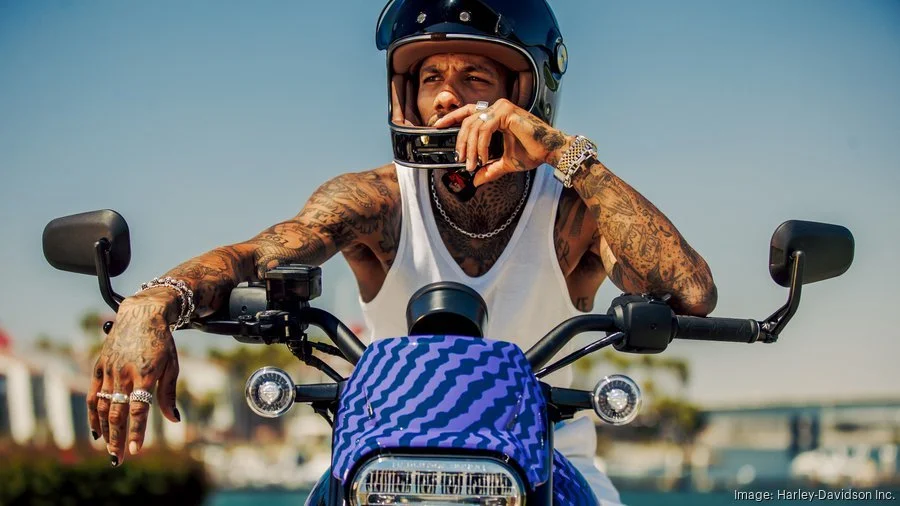
5. The Cultural Faceplant (Summer 2024) The tension inevitably snapped. The core customer base—feeling actively alienated and ignored by this sanitized boardroom culture—staged a massive, highly publicized revolt. The backlash was so severe that Harley-Davidson was forced to officially abandon their corporate initiatives just to stop the bleeding. On August 19, 2024, the company issued a deeply embarrassing public statement on X (widely covered by outlets like CNN Business and Bloomberg), officially waving the white flag.
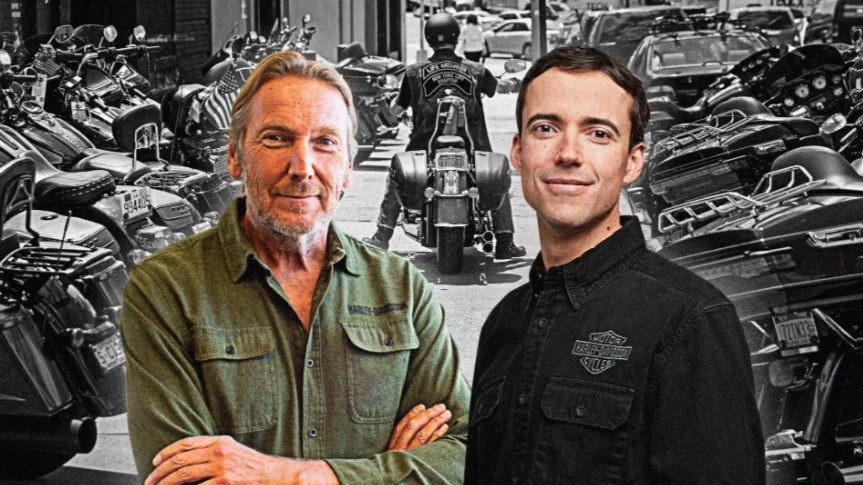
6. The $80-Million Apology Tour (April 2026) Following a brutal 14% drop in sales, new leadership launched "RIDE"—a strategic reset anchored by the "revival" of their historic logo and a sudden renewed focus on heritage. Make no mistake: this is not an innovation; it is an incredibly expensive mea culpa to convince their actual customer base that the last eight years were just a phase.
Ultimately, it stands as a corporate masterclass in how to burn half a billion dollars by sprinting in a perfect circle—an entirely unforced error engineered by an endless turnstile of leadership and opportunistic consulting firms, all fueling a decade of spectacularly out-of-touch marketing.