Beyond the PR: The Real Strategy Behind Harley-Davidson Canceling its Milwaukee Homecoming
Harley-Davidson’s cancellation of the Homecoming Festival is not a failure of brand loyalty; it’s a masterclass in knowing when to cut your losses.
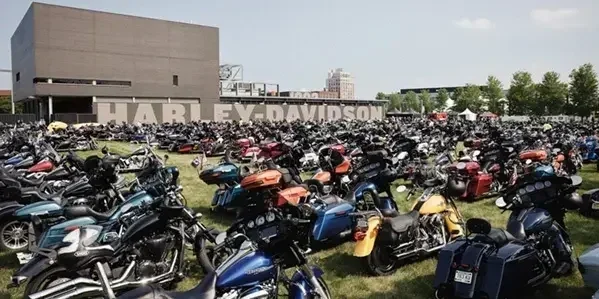
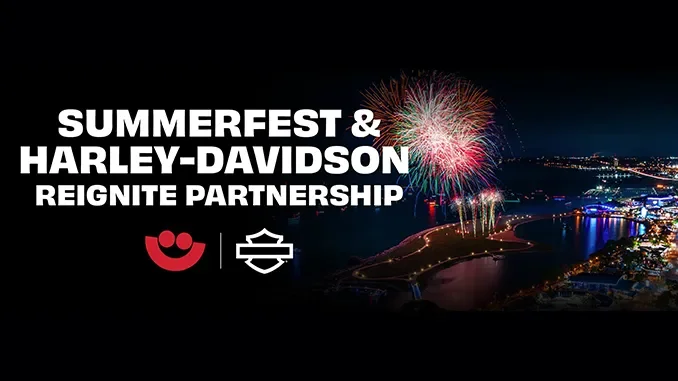
When Harley-Davidson (R) announced in late February 2026 that it was abruptly canceling its annual Milwaukee Homecoming Festival—less than five months before the July event—the corporate PR machine worked overtime. The official statement framed the decision as a nostalgic return to the brand's roots: ditching the annual format to focus on massive five-year milestone celebrations (aiming for the 125th anniversary in 2028), while shifting its 2026 local footprint to a multi-year partnership with Summerfest.
For casual fans, the narrative holds up. But for B2B marketers, event strategists, and industry insiders, the writing has been on the wall for months.
We dug into industry forums, dealership networks, and financial data to uncover what’s really driving this pivot. Here are the core strategic reasons Harley-Davidson pulled the plug, and what brands can learn from the fallout.
1. The ROI Reality Check: Plummeting Attendance vs. A-List Overhead
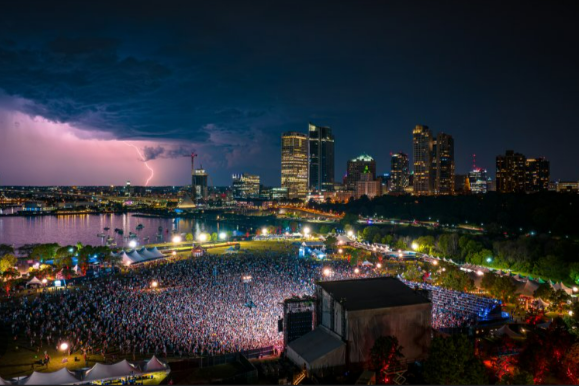
Harley-Davidson launched the annual Homecoming in 2023 with a bang to celebrate its 120th anniversary, drawing a staggering 130,000 attendees to Veterans Park to watch Green Day and the Foo Fighters. But trying to scale a 120th-anniversary mega-event into an annual occurrence proved challenging for attendance:
2023: ~130,000 attendees
2024: ~60,000 attendees
2025: ~32,000 attendees (plagued by severe weather and the cancellation of headliner Hank Williams Jr.)
Booking top-tier talent demands massive upfront capital. When event attendance drops by 75% in just three years, the cost-per-acquisition skyrockets. The festival became an unsustainable line item that simply wasn't driving enough corresponding motorcycle sales to justify the eight-figure logistical and entertainment overhead.
2. The Artie Starrs Era and the $150 Million Reset
You can't fully analyze this cancellation without looking at the C-suite. In late 2025, former Topgolf International CEO Artie Starrs stepped in as Harley-Davidson’s CEO.
His predecessor's vision heavily leaned into positioning Harley-Davidson as a premium lifestyle brand—hence the Coachella-style annual festivals. Starrs, however, stepped into a company facing tightening margins, bloated inventory, and a stock that needed stabilization. His immediate directive was a company-wide reset aimed at slashing at least $150 million in running overhead. Axing an underperforming, logistically complex music festival is "Day One" crisis management for a CEO tasked with right-sizing operational bloat. By cutting the Homecoming Festival, Starrs is signaling a vital pivot back to the grassroots network. As someone who built Topgolf's success on hyper-local, experiential venues, Starrs knows the brand's heart beats in local showrooms, not just in Milwaukee.
3. Fixing the Dealership Disconnect: The Rolling USA Playbook
While corporate was pouring millions into lakefront concerts over the past few years, local dealerships were feeling the squeeze. Dealers needed foot traffic, incentives to move aging inventory, and regional support—not a corporate-funded mega-party in Wisconsin.
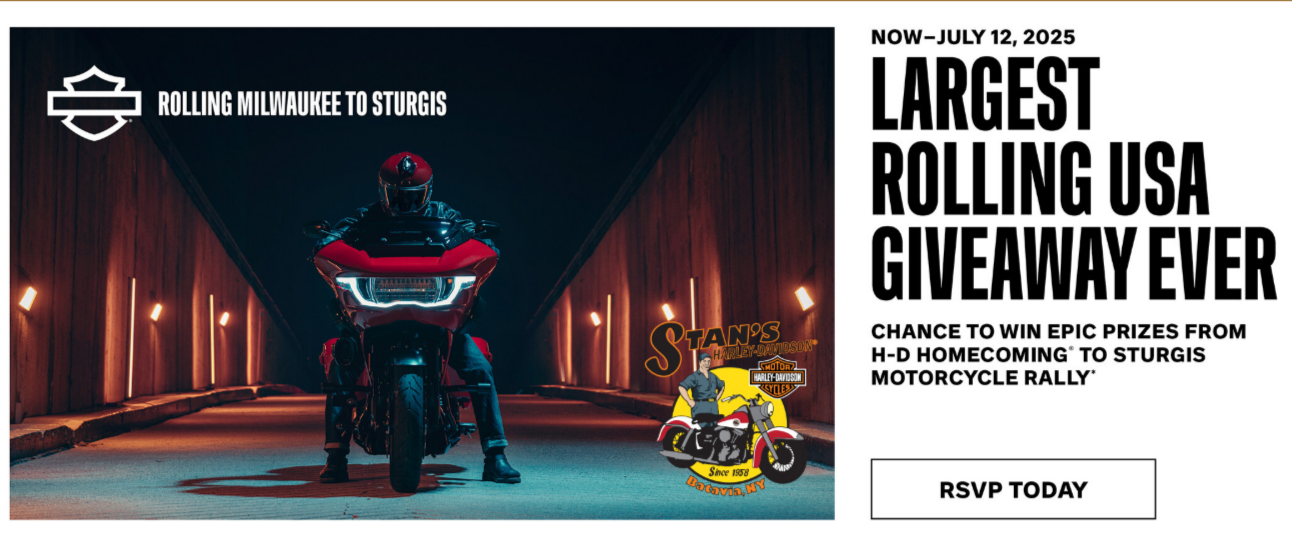
By cutting the Homecoming Festival, Starrs signaled a vital pivot back to the grassroots network, and we are already seeing this executed through campaigns like Rolling USA. Instead of forcing fans to fly to Milwaukee, the Rolling USA promotion brings the activation directly to the showroom floor.
4. The "Harley LogiC" Calendar Clash: Cannibalizing the Summer
To understand the sheer relief Harley-Davidson’s event marketing team must be feeling right now, you have to look at the traditional summer calendar through the lens of what we'll call Harley Logic™.
Before the cancellation, the brand was staring down the barrel of three massive activations squeezed into a 90-day window:
June: Summerfest (Milwaukee)
July: Harley-Davidson Homecoming Festival (Milwaukee)
August: Sturgis Motorcycle Rally (South Dakota)
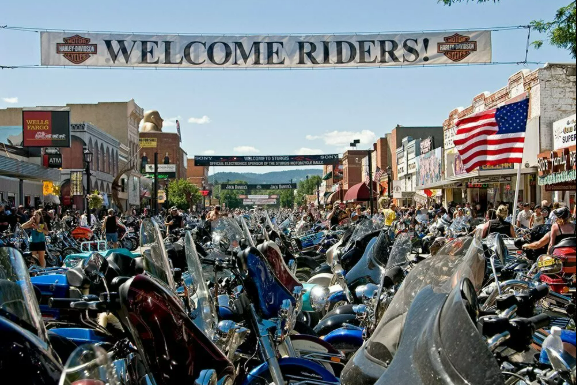
The core Harley demographic is fiercely loyal, but they do not have infinite vacation days or disposable income. Sturgis (August) is the holy grail—a non-negotiable pilgrimage for the core rider base where Harley-Davidson has to have a dominant, expensive presence. By wedging a massively expensive, multi-day Homecoming Festival in Milwaukee just weeks before Sturgis, Harley was essentially competing against itself for the exact same demographic's travel budget.
5. The Genius of the Summerfest Pivot
From a pure B2B strategy standpoint, Harley-Davidson’s alternative solution is brilliant. By cutting the bloated "middle child" of their summer calendar and becoming the official multi-year sponsor of Summerfest, Harley gets to maintain its hometown hero status without playing event producer.
They outsource the logistical nightmares, the weather risks, and the talent booking to Milwaukee World Festival, Inc. Harley still gets the brand activation, the VIP H.O.G. member parking, and massive local visibility, but at a fraction of the cost. They preserved their hometown presence in June, saved their operational energy in July, and protected their undisputed heavy-hitter activation at Sturgis in August.
6.The Bottom Line
Harley-Davidson’s cancellation of the Homecoming Festival is not a failure of brand loyalty; it’s a masterclass in knowing when to cut your losses. It highlights the danger of confusing an "event" with a "strategy." Moving forward, expect to see a leaner, more disciplined Harley-Davidson that prioritizes localized dealer support, targeted product launches, and highly structured, traffic-driving campaigns like Rolling USA over vertically enthusiastic vanity mega-events.